







.png)


Do I Need a Permit for My Project in Fairfield County, CT?
A CT-specific guide from a contractor who holds Connecticut licenses and pulls permits across Fairfield County every week.
How CT Is Different
Connecticut has its own rules — and they matter.
Connecticut uses the Connecticut State Building Code — a distinct code from New York's that differs in several important areas. CT has stricter energy efficiency requirements for new construction and additions, more expansive GFCI and AFCI electrical mandates, and specific egress standards for basement bedrooms that many out-of-state contractors miss.
Permitting in Connecticut is handled at the town level, just like New York. But there's an additional layer: Connecticut requires all contractors performing home improvements to hold a Connecticut Home Improvement Contractor (HIC) registration. Electrical, plumbing, and HVAC work requires separate Connecticut trade licenses. Any contractor working in Fairfield County without these is operating illegally — and your permit will reflect that.
Sunrise Carpentry holds all required Connecticut licenses and HIC registration. We've been working in Fairfield County for years and maintain active relationships with building departments in Greenwich, Darien, Westport, New Canaan, Stamford, Norwalk, Wilton, Ridgefield, and beyond.
Our CT Credentials
CT HIC Registration
Home Improvement Contractor registration required for all CT residential work.
CT Licensed & Insured
Fully licensed for the state of Connecticut, with certificates of insurance available on request.
30+ Years Experience
Including decades of work across Fairfield County towns with distinct building departments.
What Affects Permit Speed
- Project complexity — structural work takes longer than cosmetic work
- Town building department staffing and volume
- Whether zoning board or design review approval is needed
- Completeness of your application and plans at submission
- Whether inspections pass on the first visit
By Project Type
What Needs a Permit in Fairfield County?
Decks & Patios
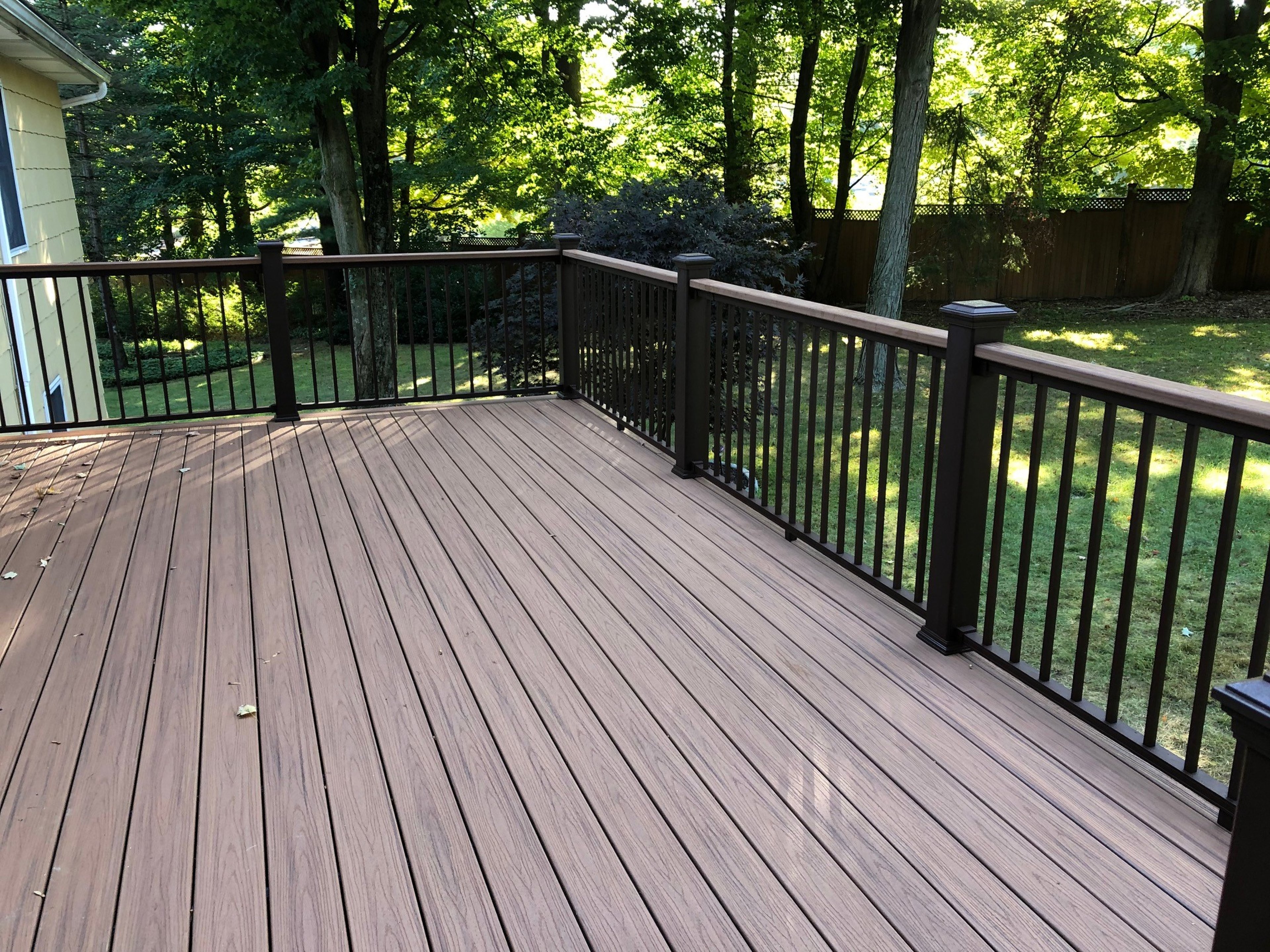
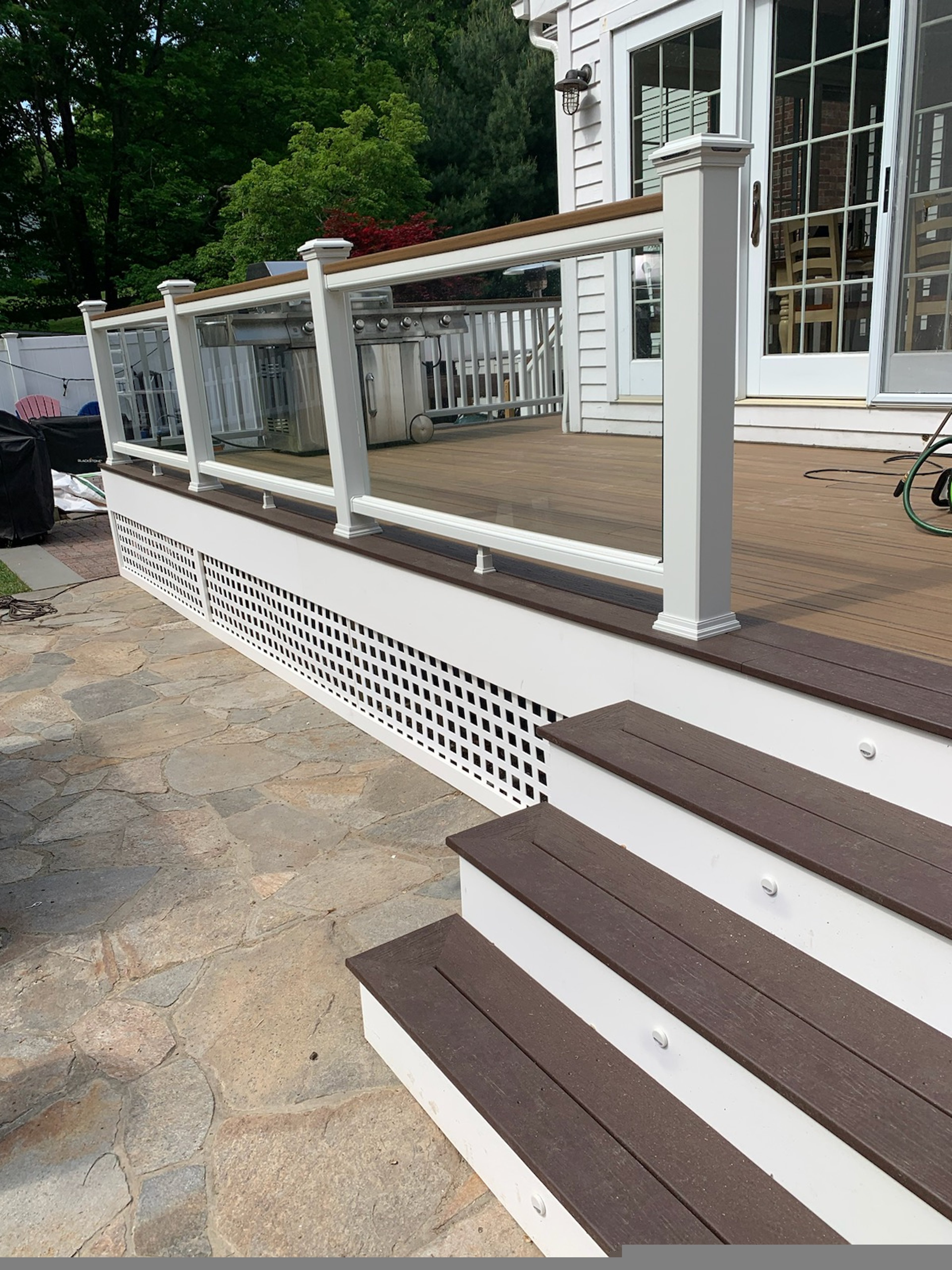
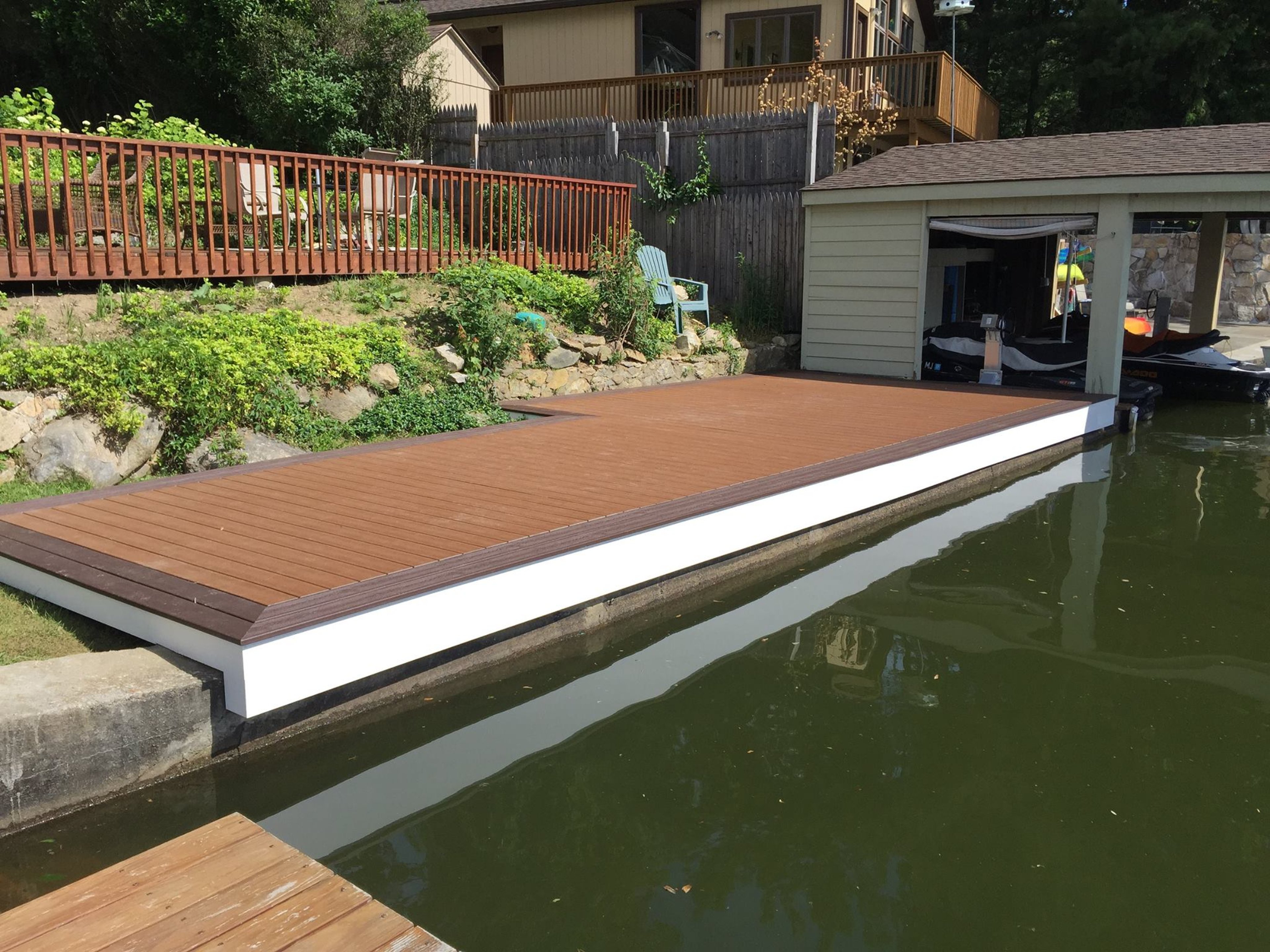
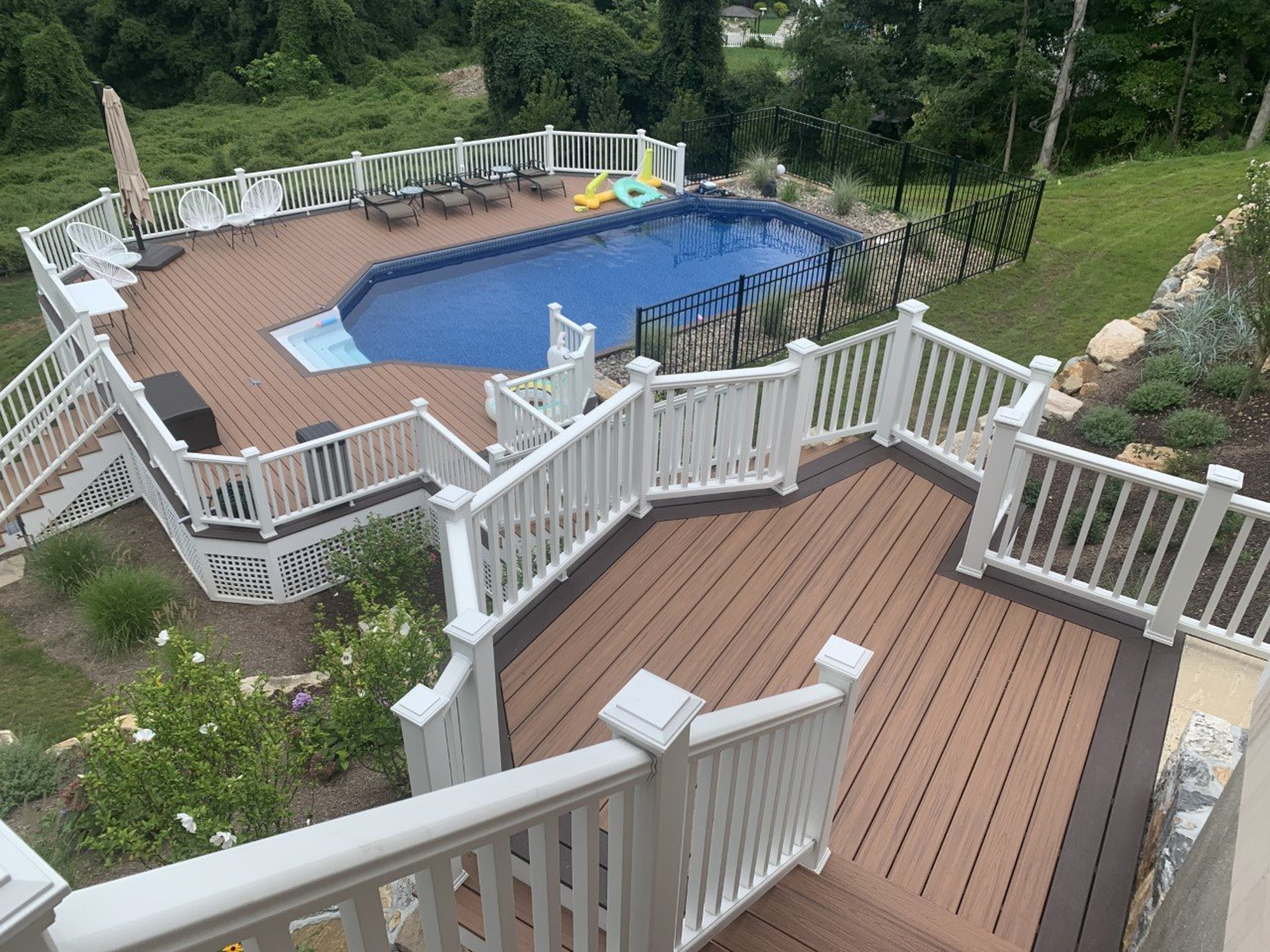
Permit RequiredAny deck attached to the house requires a permit in CT. Elevated decks (30"+ above grade) always require one. Connecticut's energy code also mandates certain insulation requirements for attached structures. Freestanding ground-level platforms may be exempt below a size threshold — but this varies by town. Greenwich and Darien enforce this strictly.
View Service →Home Additions
Permit RequiredNo exceptions. Additions in Connecticut require a building permit, zoning approval, and architectural drawings. CT energy codes impose strict insulation, window, and HVAC efficiency requirements on new additions that go beyond NY standards — factor this into your project scope and timeline.
View Service →Finished Basements
Permit RequiredFinishing an unfinished basement in CT requires a permit. Connecticut is particularly strict about egress window requirements — any bedroom in a basement must have a code-compliant egress window. This is a common detail that out-of-state contractors miss. The CO requirement is the same: you need it, and buyers will ask for it.
View Service →Kitchen Renovations
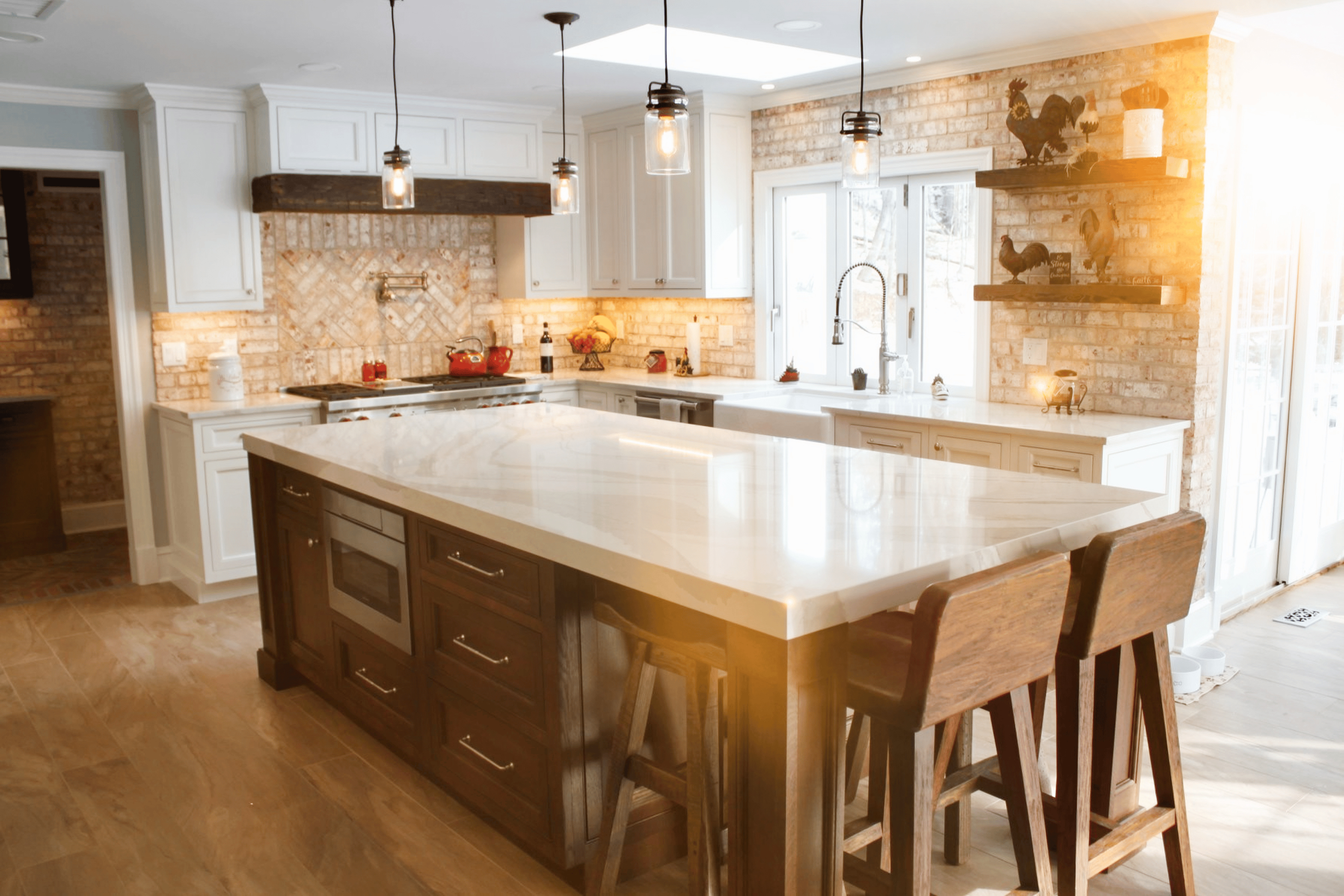
Depends on ScopeA cosmetic update (same-location appliances, new cabinets and counters) generally doesn't require a permit. Moving walls, adding circuits, or relocating plumbing does. CT electrical code is enforced strictly — GFCI and AFCI requirements are more expansive than many homeowners expect. Electrical sub-permits are required for any new circuits.
View Service →Bathroom Renovations
Depends on ScopeCosmetic updates — new tile, vanity, fixtures in the same location — generally don't require a permit. Adding a bathroom, moving plumbing, or adding electrical circuits does. CT requires GFCI protection throughout bathrooms and mandates specific ventilation standards that are often more stringent than NY.
View Service →Windows & Doors
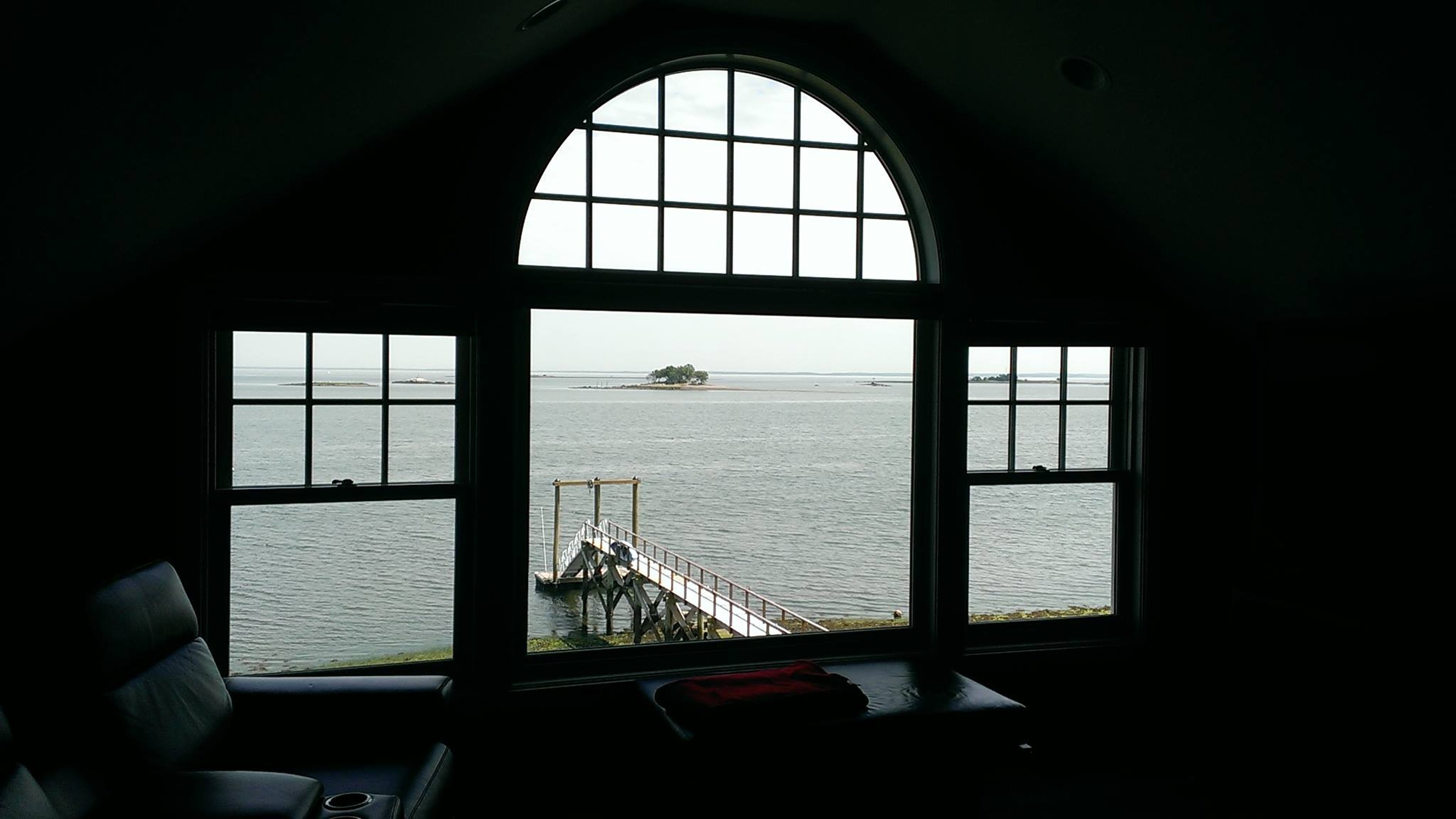
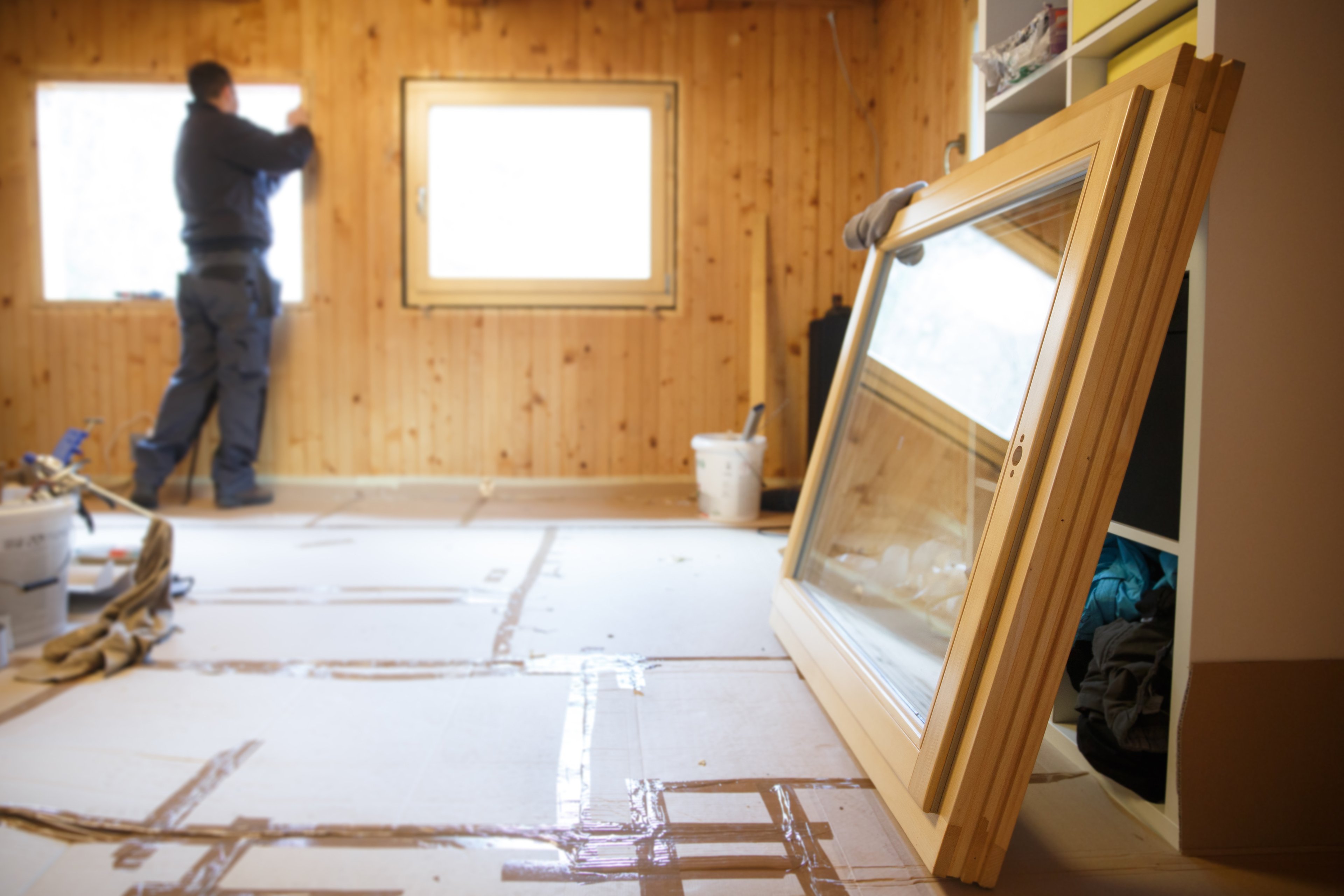
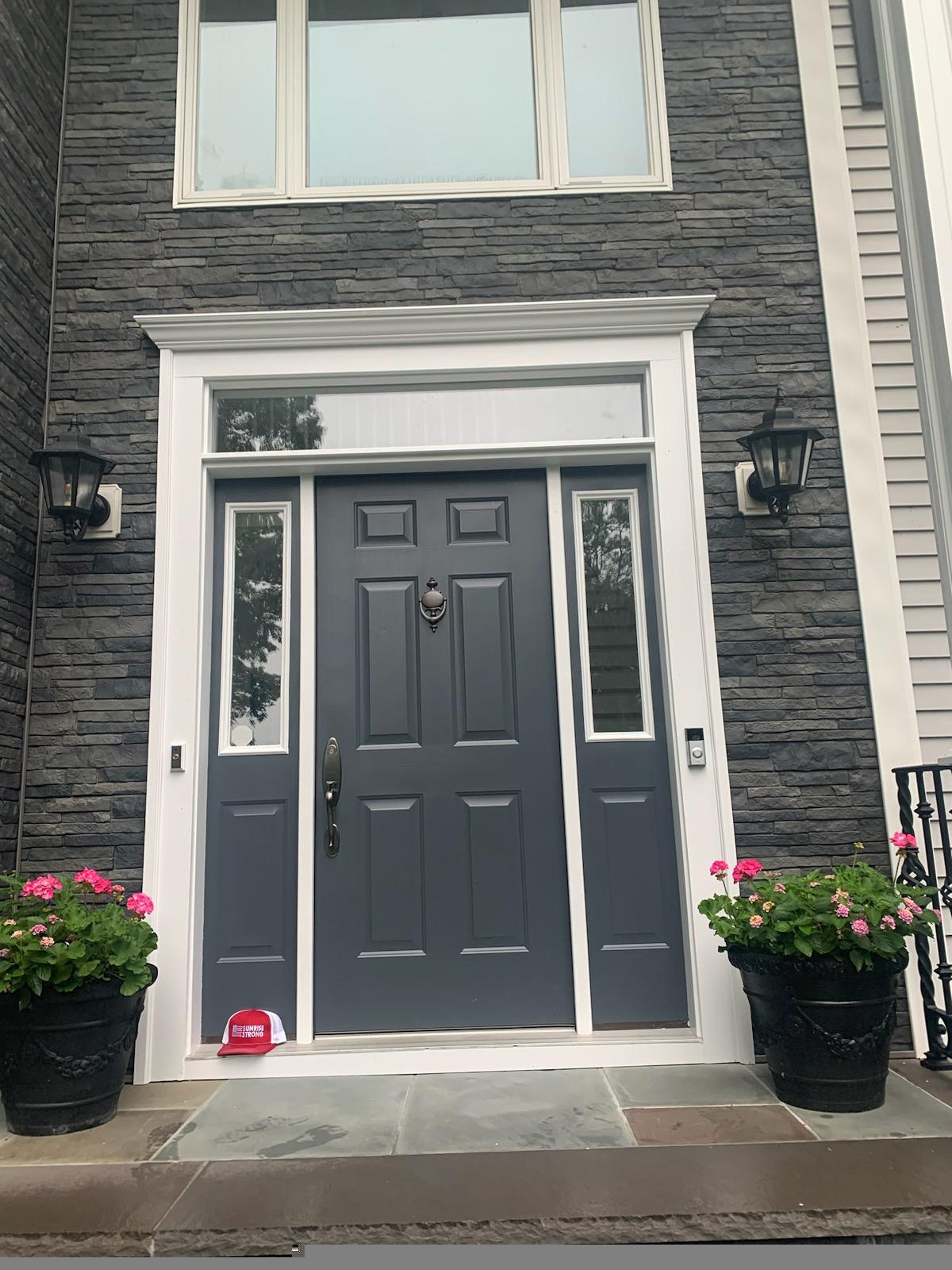
Usually ExemptLike-for-like window and door replacement in the same opening is generally permit-exempt in most CT towns. However, CT's energy code may require replacement windows to meet minimum U-factor and SHGC values — something Andersen's certified products handle automatically. Enlarging openings or cutting new ones requires a permit.
View Service →Roofing
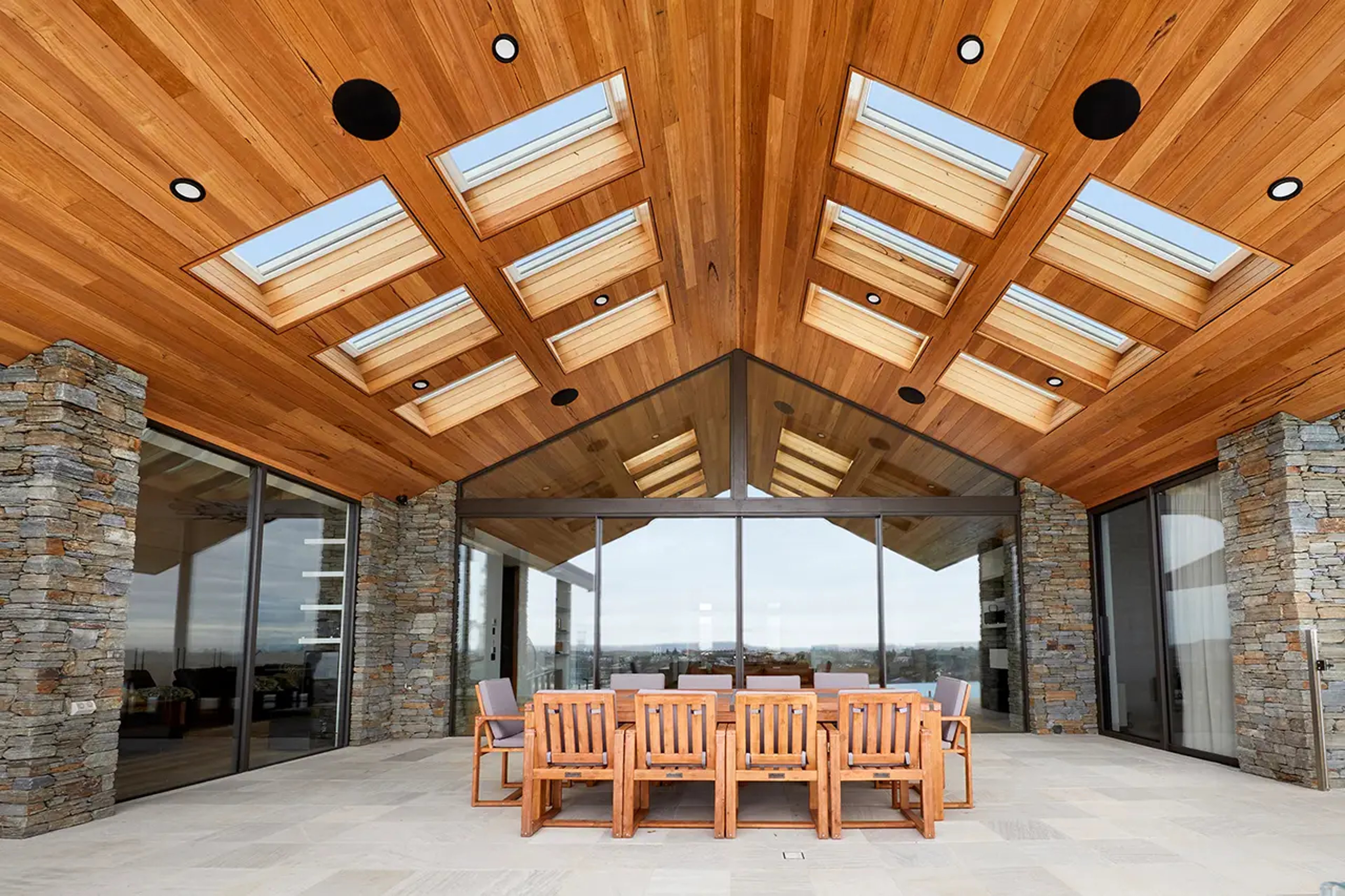
Usually ExemptStandard re-roofing (tear-off and re-shingle) is typically permit-exempt in Fairfield County towns. Some towns — including Greenwich — require a permit for any re-roofing work. Structural roof changes (dormers, skylights, structural repairs) always require a permit in CT.
View Service →Siding
Usually ExemptReplacing siding on an existing home is generally permit-exempt in most Fairfield County municipalities. CT energy code does require that new siding installations meet minimum insulation values when the sheathing is being replaced — something we account for in every project.
View Service →Pergolas & Structures
Depends on ScopeAttached pergolas almost always require a permit in CT. Freestanding pergolas vary by town and size — Greenwich, Westport, and New Canaan have notably strict zoning enforcement on accessory structures. Any structure with electrical requires a permit regardless.
View Service →Painting & Cosmetic Work
Usually ExemptInterior painting, flooring, trim, and tile work never require a permit in Connecticut. These are among the few projects where you can proceed without any town involvement.
Town by Town
What to expect in your town
Building departments across Fairfield County vary significantly in how they enforce codes and process permits. Here's what we've observed working in each area.
Greenwich, CT
One of the more strictly enforced building departments in Fairfield County. Re-roofing permits are required; accessory structure rules are enforced carefully. The Greenwich Building Division processes permits efficiently for straightforward projects.
Darien, CT
Efficient building department with straightforward processing. Zoning enforcement is thorough — setback variances for decks and additions require ZBA approval, which extends timelines considerably.
New Canaan, CT
Strict zoning enforcement with a Design Review Board that reviews certain exterior modifications. Historic district properties (which are common in New Canaan) require additional approvals.
Westport, CT
Active building department. Westport enforces coastal construction rules in flood zone areas near Long Island Sound — additional permits and elevation certificates may be required for properties near water.
Stamford, CT
As Fairfield County's largest city, Stamford has a larger building department and generally good throughput. Multi-family and commercial projects face additional review layers.
Wilton / Ridgefield, CT
Smaller town building departments with friendly staff. Processing times can run longer than larger towns due to staffing — plan accordingly when scheduling project start dates.
Common Questions
Do I need a permit to build a deck in Fairfield County, CT?
Yes, in virtually all cases. Any deck attached to the house requires a permit. Elevated decks always require one. Freestanding ground-level platforms may be exempt below a size threshold, but this varies by town — Greenwich and Darien enforce this strictly.
Does my contractor need a Connecticut license?
Yes. Any contractor performing home improvements in CT must hold a Connecticut Home Improvement Contractor (HIC) registration. Trade work (electrical, plumbing, HVAC) requires separate Connecticut licenses. Always ask for a contractor's CT HIC number before signing a contract — it's a public record you can verify.
How is CT permitting different from New York?
Connecticut uses the CT State Building Code, which differs from NY's in energy efficiency requirements, egress standards for basement bedrooms, and electrical code (AFCI requirements are more expansive). CT also requires contractor HIC registration that NY doesn't have. Processing times and ZBA requirements also vary.
What if my contractor asks me to pull my own permit in CT?
This is a red flag in any state. In Connecticut, when a homeowner pulls their own permit, they assume responsibility for the work as if they were the contractor. It also often signals the contractor is not properly licensed. Sunrise Carpentry pulls permits on your behalf as part of every qualifying project.
Do you serve all of Fairfield County?
Yes — we regularly work in Greenwich, Darien, New Canaan, Westport, Wilton, Ridgefield, Norwalk, Stamford, Weston, Easton, Redding, Newtown, Brookfield, Danbury, and surrounding towns. CT licensing is handled in-house.
Fairfield County, CT
CT-licensed. Permit-ready. Let's get started.
Free on-site estimates across Fairfield County. We handle Connecticut licensing, permits, and inspections as part of every project.